
Delivery
DDP Shipping for Windows and Doors: What US Buyers Need to Know
DDP can simplify international window and door delivery, but it does not automatically include unloading or installation. Learn what US buyers should confirm about customs clearance, the named delivery point, jobsite access, unloading equipment and transit-damage records.
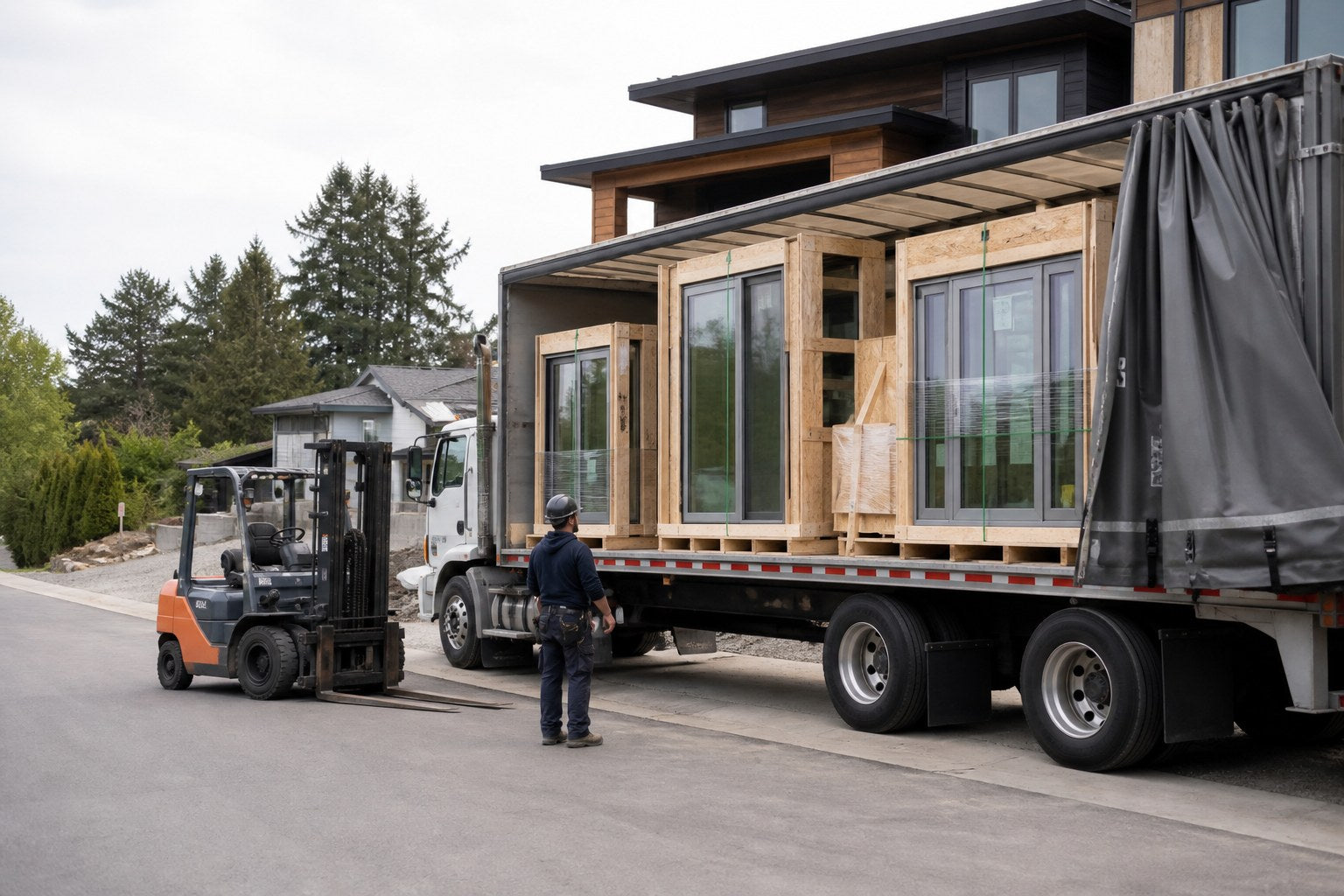
Quick answer: Under DDP, the seller generally arranges transport and import clearance to the named destination and carries delivery risk to the agreed point. DDP does not automatically mean that the driver unloads large window crates, that installation is included, or that the buyer has no documentation duties. The quotation and final order must state the destination, scope, exclusions, and unloading plan.
DDP can simplify an international window and door purchase, but only when the term is attached to a precise destination and a workable delivery plan. “DDP USA” is not precise enough. A custom order may move from factory to export terminal, vessel, US port, customs clearance, inland terminal, and finally a jobsite that has limited access. Each handoff should be planned before production.
What DDP generally covers
DDP means Delivered Duty Paid under the ICC Incoterms rules. In broad terms, the seller assumes responsibility for arranging carriage and completing export and import formalities to the named destination. This usually gives the buyer a more consolidated delivery scope than terms that leave freight or import clearance to the buyer.
The written quotation should state the exact Incoterms version and named place—for example, “DDP [confirmed project address], Incoterms 2020”—along with transaction-specific qualifications. DDP should never be inferred from phrases such as “shipping included” or “door-to-door.”
What DDP does not automatically cover
The ICC explains that the buyer is responsible for unloading from the arriving means of transport under DDP unless the seller’s carriage contract includes unloading. For architectural products, that distinction matters: crates may be too large or heavy for a liftgate or manual handling.
DDP also does not itself include:
- Forklift, crane, rigging, or site labor
- Moving crates beyond the agreed delivery point
- Storage caused by an unready site
- Installation, flashing, waterproofing, glazing, or field finishing
- Road, bridge, gate, HOA, or appointment restrictions not disclosed in advance
- Changes in scope that occur after the quotation
Who is the importer of record?
This must be confirmed for the actual transaction. CBP defines the importer of record as the party responsible for entry information and reasonable care concerning classification, valuation, and compliance. DDP places import-clearance obligations on the seller under the trade rule, but practical US entry arrangements and requested consignee or ultimate-importer information still need to be coordinated with the licensed customs broker.
Do not assume that the words DDP remove every request for tax identification, consignee details, project information, or compliance documentation. Provide sensitive information only through the verified broker or secure process identified for the shipment, and obtain professional advice when the import arrangement is unclear.
Questions every DDP quotation should answer
- What is the named destination? Project curb, commercial receiving dock, inland terminal, or another point?
- Which costs are included? Export packing, ocean freight, import clearance, duties, port charges, inland transport, appointment, and residential or limited-access fees?
- Who unloads? What equipment, capacity, fork length, crew, and time window are required?
- Who is listed on the customs entry? What information must the buyer or consignee provide?
- What can change the price? Address changes, storage, failed delivery, restricted access, demurrage, examination, or buyer-caused delay?
- When does risk transfer? The signed order should align with the agreed Incoterm and delivery point.
- How are transit claims handled? Define inspection, notation, photographs, reporting deadline, and replacement procedure.
Prepare the jobsite before dispatch
Send current access photographs and disclose narrow streets, steep grades, soft shoulders, gated entries, overhead wires, low branches, turning limitations, seasonal restrictions, and delivery-hour rules. Verify that the final vehicle type can reach the agreed point.
Select unloading equipment from the confirmed crate weights and dimensions—not from an estimate based on the window schedule. Confirm rated capacity at the required load center, fork length, clear operating surface, operator qualification, and a safe staging zone. If a crane is required, coordinate lift planning with a qualified local provider.
Inspect before the driver leaves
Count the crates and inspect their exterior condition before signing. Photograph all sides, shipping marks, straps, punctures, water exposure, leaning, crushed corners, or broken panels. Note visible damage or shortages on the delivery receipt or bill of lading before the driver departs. Exterior crate damage does not always mean product damage, but a clean written record protects the claim process.
Move crates according to their marked lifting points and keep them protected from weather. Do not discard packaging until the contents have been checked and any claim instructions have been followed.
Frequently asked questions
Does DDP mean the final price can never change?
No. The confirmed scope should cover the stated delivery, but buyer-requested changes, inaccurate access information, failed delivery, storage, or other exceptions may create additional costs if the order permits them.
Is unloading included in DDP?
Not automatically. Under the ICC rule, unloading is generally the buyer’s responsibility unless included in the seller’s carriage arrangement. Confirm it in writing.
Does the buyer need a customs broker?
The seller normally arranges import clearance under DDP. The actual importer-of-record and broker structure still must comply with US requirements, and the buyer may need to supply information.
Make delivery scope visible before you approve the order
MERUZY coordinates DDP delivery according to the scope stated in the approved quotation and formal order. The local project team remains responsible for accurate access information, a safe unloading plan, and installation unless expressly agreed otherwise. Review the factory-to-jobsite process or request a project-specific quotation.
Editorial note: This article is general information and is not customs, legal, tax, safety, or logistics advice. Incoterms responsibilities and US entry arrangements should be verified for the specific transaction.
Editorial review
Prepared for project education and reviewed for consistency with MERUZY’s current supply-only design, quotation and delivery process. Project-specific requirements are governed by approved documents and the formal order.
Reviewed by: MERUZY Project Coordination Team
Sources and further reading
QUESTIONS & DISCUSSION
Ask a question or add to the discussion
Have a question about this guide? Ask it here. The MERUZY team and other project professionals may respond.
Do not include private project information, addresses, drawings, pricing, order details, phone numbers or email addresses in your public comment.
Have a project to review?
Share your plans, rough dimensions, or schedules for a comprehensive DDP estimate and technical review.